Technical perfection, masterful quality and a lifetime of enjoyment – if you pay thousands of euros for a luxury timepiece, you can rightly expect a flawless product. Yet even the most renowned manufacturers occasionally let defects in materials or workmanship slip through. Since July 1, 2018, customers of Omega have enjoyed greater peace of mind in such cases, as the luxury brand has extended its warranty to 5 years. Below, we explain the details you should be aware of.
24 Months Is the Norm
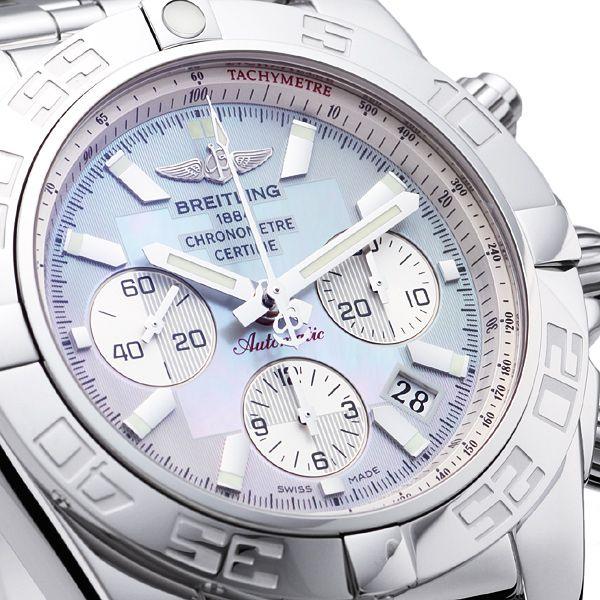
Compare the new Omega warranty with the warranty periods of other manufacturers, and the promised five years look extremely good. Not only most upper mid-range brands such as Breitling, Oris or Sinn, but also high-end manufactures like Audemars Piguet or Breguet offer just two years.

Given that entry-level brands Tissot and Certina offer the same warranty period, 24 months can hardly be called an exceptional achievement.

Incidentally, the pioneer in this area is Rolex: since 2015, the Geneva manufacturer's watches have come with a warranty of at least five years.
The Key Details of the Omega Warranty
Whether it's a car, a household appliance or any other product, consumers know that warranties always come with a host of conditions. Omega's new warranty is no exception.
Only watches purchased new on or after 07/01/2018 (July 1, 2018) are covered by the 5-year warranty.
The new policy therefore does not extend the warranty on models bought before that date. In addition, the international manufacturer's warranty covers only material defects and manufacturing faults that were present at the time the watch was delivered.

Omega's terms also require a dated, complete and correctly filled-out warranty card. Correctly, in this case, means that the stamp must come from an authorized dealer.
Separate Rules for Replacement Watches
If these conditions are met, customers can expect the defects to be remedied free of charge. If the fault is so serious that a repair proves unsuitable, however, the watch will be replaced with an identical or similar model. In extreme cases, owners of a limited or rare model could therefore be compensated with a different watch than the original if it is no longer available.


For replacement watches, the international manufacturer's warranty is generally 24 months, while timepieces with Omega's Co-Axial escapement receive three years, and versions with the Co-Axial escapement and a Si14 silicon balance spring receive four years. Replacement watches with calibers 8500 and 8501, found in some Seamaster models, also come with a four-year warranty. Full details of all warranty terms can be found on the Omega website.
When the Omega Warranty Doesn't Apply
A 5-year warranty doesn't just sound fair – it is fair, provided you keep the basic conditions in mind. In many cases, though, there is uncertainty: when will I get a replacement, and when won't I?

Omega's international manufacturer's warranty therefore includes a number of limitations worth knowing about. Not only battery life but also any normal wear and tear, such as scratches on the crystal or discoloration of the metal, is excluded from the service promise.

Mishaps such as dropping the watch fall under the category of "lack of care" and likewise cannot be used as grounds for a claim. When it comes to repairs and servicing, buyers should make sure the workshop is properly certified. If, for example, a workshop not authorized by Omega causes damage, the buyer bears the responsibility and can expect warranty claims to be denied.

Independently of the manufacturer's warranty described above, there may of course be a separate warranty from the dealer. The dealer alone is responsible for that, however.
Effectively Extending the Life of Your Masterpiece
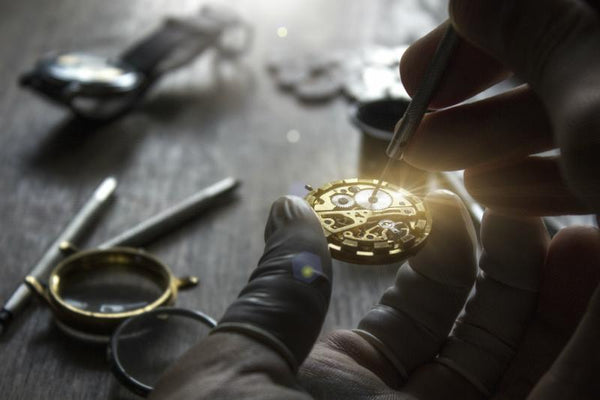
Although the information above refers specifically to Omega's warranty, you can expect very similar terms from other manufacturers. But quite apart from the question of which damage is covered and which isn't, every watch lover naturally wants to keep their treasures in the best possible condition. The topic most often discussed is servicing: how often does this costly procedure need to be done? And does it affect the warranty?
The good news is that the international manufacturer's warranty remains valid regardless of professional servicing.
That's because even the manufacturers recommend an interval of "just" four to five years – so the first service would fall right at the end of the 5 years. Whether you actually stick to this schedule in the end is up to each individual owner.

At the latest, however, when irregularities such as reduced accuracy or unusual noises appear, you should take the watch to a specialist dealer and invest in a service. Not only professional maintenance but also everyday use determines how long a wristwatch lasts. Besides the "usual" enemies such as water, extreme temperatures or chemicals, magnetic fields can also cause considerable damage.

With chronographs, you should never operate the pushers underwater, as they are usually not water-resistant. Follow these tips, and nothing stands in the way of a long, trouble-free life for your watch.